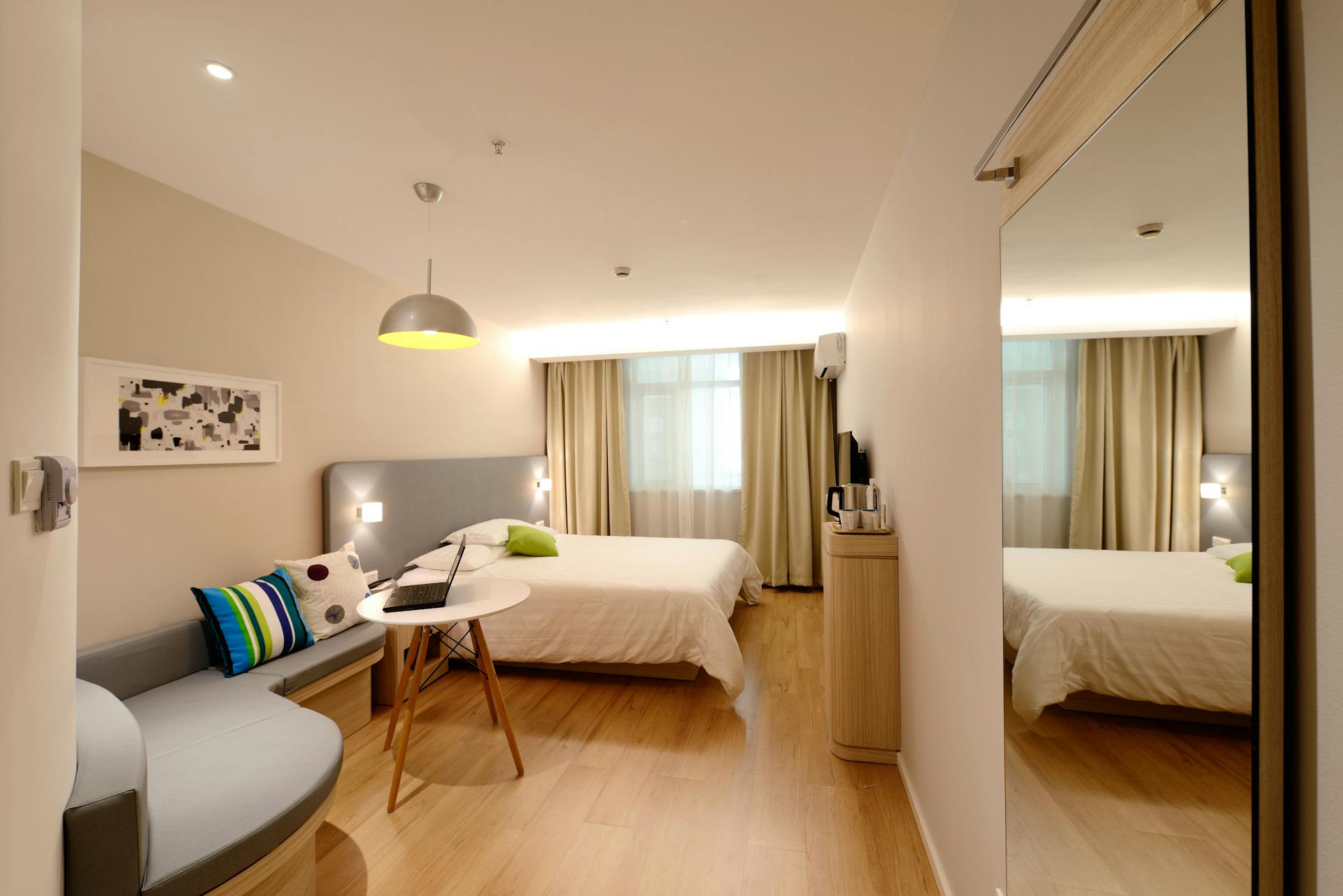
Choosing tile feels simple until you stand in a showroom facing two hundred near-identical whites. After 25 years of helping homeowners and architects decide, we have learned that five choices matter — and everything else is decoration.
1. Start with the room, not the tile
Bathrooms need grip and water resistance; living rooms reward large formats with minimal grout; kitchens forgive almost anything except high-gloss floors that show every crumb. Write down how the room is used on its busiest day, then filter every option through that list.
2. Read the slip rating
For wet areas, ask for the pendulum or R-rating. R10 suits most bathrooms; ramps, pool surrounds and commercial kitchens want R11 or higher. A beautiful tile you cannot walk on safely is not a bargain at any price.
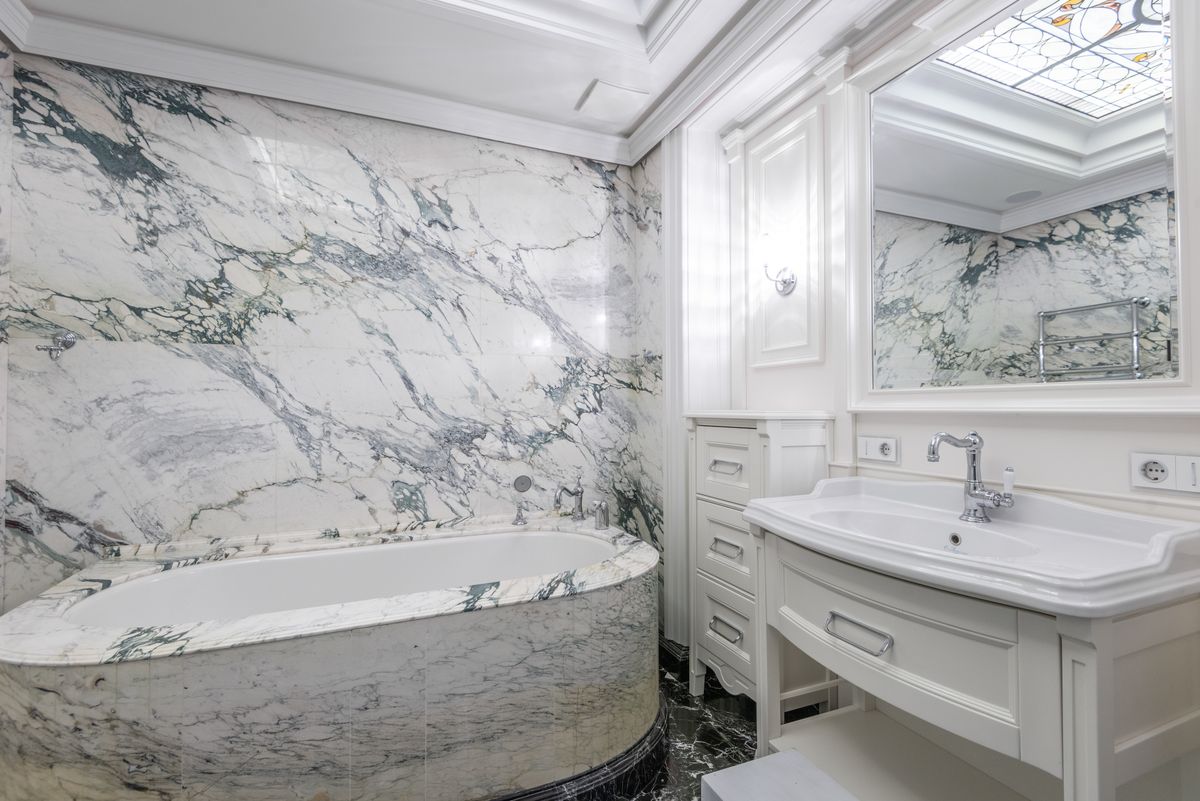
3. Embrace shade variation
Natural-look tiles carry V-ratings from V1 (uniform) to V4 (dramatic variation). High-variation tiles look flat and patchy if you judge one piece — always view at least four together, and ask your installer to blend across boxes.
4. Size for the space
Large formats (600×1200 and up) make compact rooms feel bigger by cutting grout lines, but they demand flat substrates and experienced layers. Small rooms with uneven floors often finish better — and cheaper — in mid-size formats.
The takeaway
Room first, rating second, variation third, size fourth — and always take samples home. Tile changes character completely under your own lighting, so live with the shortlist for a weekend before you commit.
Let’s make something great work together. Get Free Quote

